
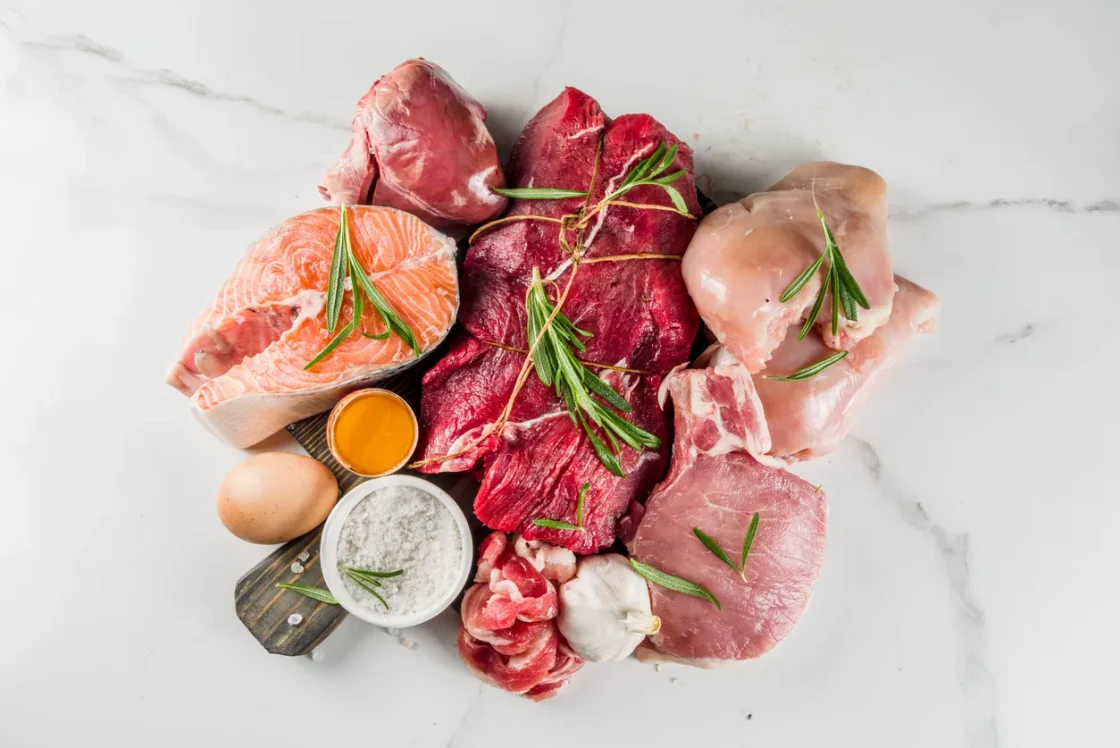
From the Center of The Plate Desk
BEEF MARKET UPDATE
Last week was mixed, with the Choice cutout holding up well, but cattle prices rising more than packers wanted. Cash cattle moved higher while the cutout slipped, tightening packer margins and likely leading to reduced kills before the holiday-shortened weeks. Pricing was uneven across items, with some cuts raised and others lowered. Packers are still trying to clean up inventory but may hold firm on prices, using upcoming short kills to pressure buyers. Looking ahead, prices should trend modestly higher to close out the year.
For 2026, cattle supplies are expected to tighten further, especially in the first half of the year. Cow slaughter should be slightly lower than 2025, and fed cattle supplies will be limited. While trim and grinds could see stronger pricing, overall beef prices may struggle due to weaker demand tied to inflation, economic uncertainty, and political factors, which could cap how high the cutout can go
What’s Causing the Issue:
The main issue is rising cattle costs combined with softer beef demand, which is squeezing packer margins. Limited cattle supplies, uneven demand across cuts, economic pressure on consumers, and uncertainty around politics are all contributing to cautious buying and limiting how much beef prices can rise.
PORK MARKET UPDATE
Pork bellies, which are the main cost driver for bacon, are still trending lower and are expected to hit their lowest point around Christmas. This creates a good window for buyers to lock in favorable pricing. If your current bacon supplier is raising prices despite this market trend, it may be worth considering Rangeline® bacon, since its pricing is tied directly to commodity markets and will fall when pork belly prices decline.
POULTRY MARKET UPDATE
As the year ends, the poultry market remains steady but cautious, supported by strong consumer demand and only modest production growth. Chicken supplies are more balanced than earlier in the year, but ongoing avian influenza risks continue to limit how quickly producers can expand, keeping prices from falling significantly.
Overall, chicken prices are stable to slightly firm, with popular parts holding value and little excess inventory in the system. The market closes the year resilient, but still vulnerable to volatility if disease pressure or demand spikes carry into early next year.
SEAFOOD MARKET UPDATE
U.S. shrimp prices are falling sharply as Latin American supply, especially from Ecuador, floods the market and sellers discount to clear excess inventory, even as Asian farm-gate prices strengthen. Octopus remains one of the tightest seafood categories due to constrained supply from Spain and Southeast Asia, driving prices higher. Crab markets are mostly steady, with snow crab and king crab flat, while blue swimming crab stays firm despite high tariffs and lower import volumes.
Salmon markets are soft, with weak demand pressuring farmed Chilean fillets and wild salmon largely inactive. Groundfish appears stable, but elevated raw material costs and tight supply for cod, haddock, and pollock create meaningful risk of price increases once seasonal demand, particularly for Lent, begins to accelerate.